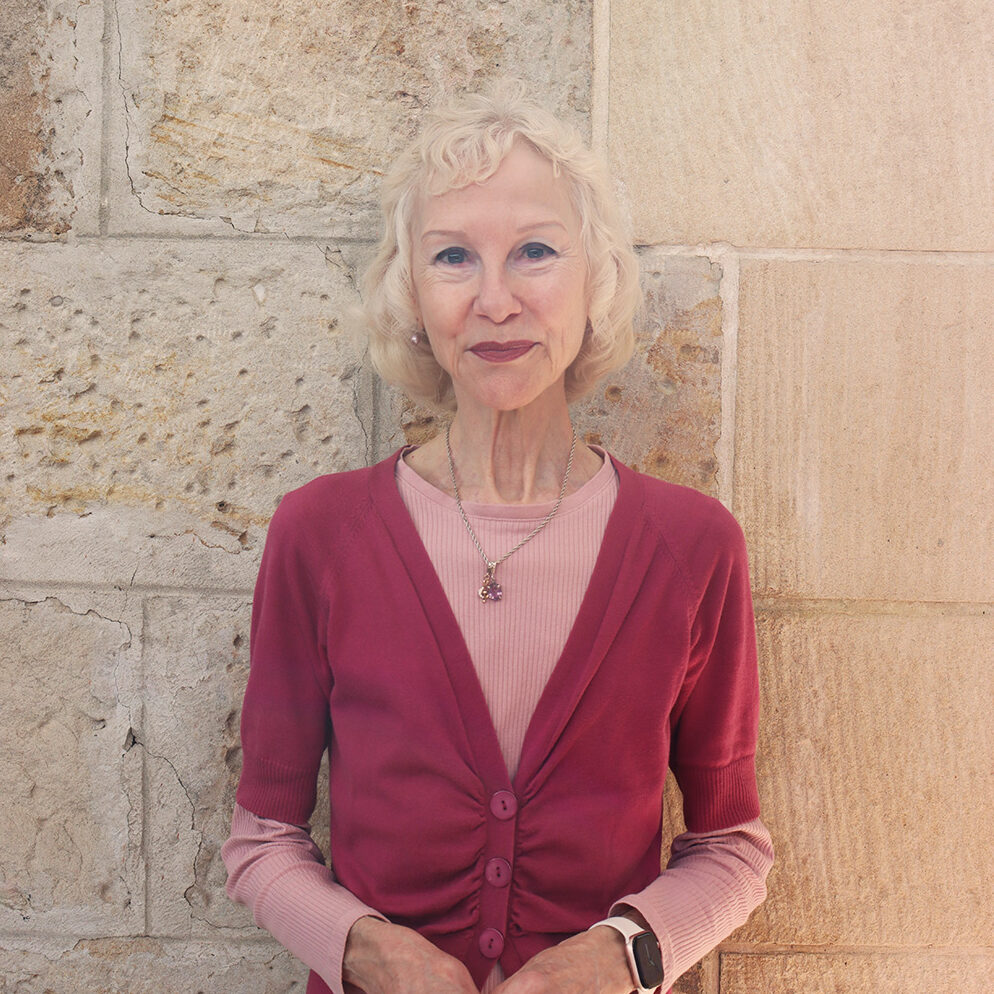
Dr Micaela Nathan is a professional orchestral and concert performer, Music Therapist, examiner for the Australian Music Examinations Board (AMEB), composer and artistic director. After attending the Sydney Conservatorium high school, she gained her BMus (high distinction), MA (music therapy), and PhD (music psychology) at Sydney University, with adjunctive post-graduate research through Melbourne University and the Sydney University of Technology. Her doctorate research addressed the sociological foundations of Performance Dysfunction in career musicians and music students set in the cultural environment of higher music education. This has contributed to her expertise in the areas of performance anxiety and music therapy.
Over her 40-year career as a concert musician, Dr Nathan has worked regularly with the major Australian symphony, opera, and ballet orchestras in NSW, QLD, and Victoria, and held principal positions with many music theatre productions in Australia, Singapore, Hong Kong, and Korea.
Dr Nathan has been a music educator for 40 years at primary, secondary and tertiary levels, including lecturer in woodwinds and piano at the Northern Rivers Conservatorium, Penrith Conservatorium, the University of NSW, and Sydney University of Technology. She is regularly sought for specialist instruction for HSC, undergraduate and post-graduate music students.
As a Music Therapist, Dr Nathan provides music learning programs for children who are neurodivergen, have cognitive differences and physical disabilities. She has undertaken specialist post graduate training and has 25 years’ experience teaching these unique children.
Dr Nathan has composed five albums of structured music therapy sessions, presented at International Music Therapist Association conferences, and published for the International Journal of Music and Imagery. As an adjunct to performing and teaching, Dr Nathan spent many years facilitating workshops combining music psychology and music therapy for community events, cancer patients, and post-graduate students of music therapy.
Dr Nathan offers piano, clarinet and saxophone 1:1 lessons.